Some of you may know that I’m constantly working on creative projects. While I do tend to actually get a few of them done on a relatively regular basis, I’m always interested in new strategies for how to get them all worked out and done.
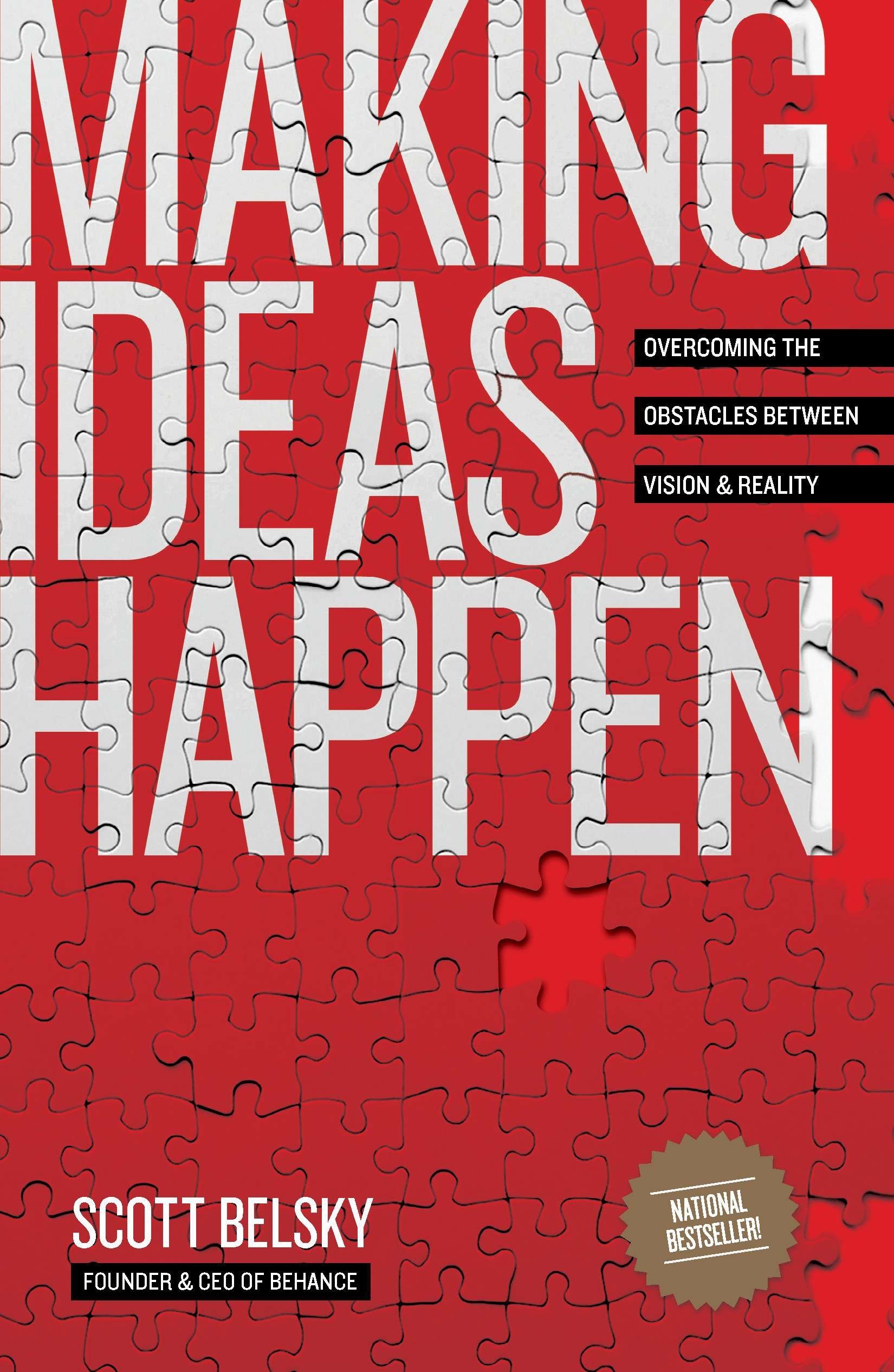
Unlike a lot of the books I’ve been reading lately in this genre, this one does actually have practical advice, albeit stuff that I’ve already tried. There’s the standard of figuring out your vision and figure out how to make it happen as well as delegation advice, but it comes with actual strategies to try as well. There’s also an interesting bit about leadership in the last third, which is something I don’t personally aspire to but something that Belsky clearly feels strongly about.
There is a decent amount of promotion for Benahce woven into the book, but I’d still say this is one of the better books on how to generally get things organized and work out how to make your ideas into plans that actually happen. I’ve used a lot of the strategies and still use a few of them, so check it out if you’re looking for a place to get starts.
This follows a few characters. The lead is Jack, a young boy starting at a new school who has been zoning out and seeing a small girl selling matches. He meets a classmate, Lucy, who takes an interest in him and has also seen the girl. And lastly, there’s the little match girl, a character from a Hans Christian Anderson story who may not be so fictional and who wants Jack to stay with her forever.
This was a cute idea, and full of very interesting ideas. I did like the layering of diabetes into the plot, as Jack is given a natural way of talking about it with Lucy and it doesn’t feel like it’s being forced into the narrative. It’s also very Canadian at points, mostly in that Jack moved to Ontario from Quebec and there are quite a few mentions of the cultural differences between the two places.
The story is very light and best enjoyed when you don’t think about it too hard. If you do, you will find logic and plot holes. Those points aren’t really what the story is about, so I don’t think it’s a detriment. It’s a very quick and easy read, overall fun, and worth checking out.
Those who know me personally know that I have a lot of trouble taking breaks. Downtime for me consists largely of picking up new hobbies and obsessions. Doing nothing is a thing I aspire to be able to do one day without immediately getting bored and picking up a new something to fill the time.
This book did not help with that because it is a philosophy book. I’ve never read a philosophy book before, so I’m not sure what is standard for something like this, but there wasn’t a lot in here that was actionable. It felt very much like there was a message here about how social media is draining, and then more aspects of intersectionality were placed on top without actually integrating them into the message. There were mentions that other groups deal with something like this as well, or other groups would not be able to do this because of oppression, but the book moved on before actually talking about the how or why.
There was also just a lot of talking about what other authors said. Not as a reference, but wholesale summary of other people’s works and points. This might be standard, but it wasn’t what I expected.
Overall, it’s not really for me. I am annoyed that it wasn’t what I expected, but at least I know now that philosophy books are not my thing.
It’s my birthday! And for my birthday the past several years, I’ve announced a book that I would be writing for NaNoWriMo this year. It’s a tradition to have the poll run, for me to be pushing the poll, and to reveal the results on the 25th, one week before writing starts.
But I’m taking a break this year. I’m still debating whether or not I’ll write at all, and I may, but it’s going to be something just for me this year. And it will be mostly because I want an IngramSpark coupon.
But if you wanted to help me still celebrate my birthday this year, you can always get one of my books or, if you’re doing NaNoWriMo, check out the Storyteller’s Workbook! Happy writing, everyone!
I know I’ve been reading a lot of nonfiction this year, but I’ll mention why I keep reading these finance and self-help types of books. I’m looking to write something in this general genre, specifically about publishing, and I’m trying to get my footing for what it should read like. And this one reads a lot like the rest.
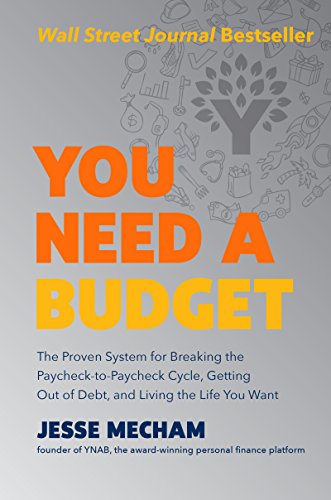
You Need a Budget is something I know mostly as a budgeting app. The book gives a lot of helpful tips about the first steps you could take into creating a budget based on what your actual spending looks like, rather than applying blanket rules that your money should conform to. It’s very similar to what I did when I first moved out, so I know the strategy works well, and there are other useful tips throughout that are great for people at the start of their budgeting journey.
There are some specifics in here that feel very much like it was from a different era. Even in my day, I couldn’t go to school without loans or getting my parents to pay for it, even if I worked throughout ((Which I did)) and applied for scholarships, for instance. I get the feeling that this is just what happens with finance books. Specifics get out of date, but the overall ideas and messages remain good.
Overall, it’s a good read for someone looking to get started with budgeting. It is US-focused ((Aren’t they all?)) but the general strategies can be used just about everywhere.
It’s very difficult to do, isn’t it? That’s because this is a bad cover.
I personally really like this cover. It feels right for the book and, to me, it portrays one of the narrative elements that permeate the story. It’s clean, it’s very strongly branded to match the rest of the series, and it stands out from other books in the same genre and for the same age category.
But this cover does not sell books.
But why is it bad?
Those questions I just asked? A cover should be able to answer all of those immediately.
The cover of a book is essentially packaging. It’s something that is intended to catch the eye of a consumer when they are browsing for their next read and tell them immediately that this is the kind of book they will like.
Look at the books that are similar to yours and follow the same art style and patterns that those popular books are using for your cover. Are books like yours using hand-drawn covers? Shirtless men and calligraphy fonts? Typography with solid colour backgrounds? Take that look and feel and apply it to the cover for your book.
But my cover stands out! It’s unique!
It also doesn’t look like anything readers are expecting. People tend to be much more risk-averse than we give them credit for. If the packaging looks like something they already like, they are more comfortable taking a chance on it.
It should absolutely be branded uniquely to your style so that readers can tell that it is your work, but the cover should look like the other books in the genre and category that are already selling well.
Can it still work?
There are two ways that I’ve seen to make this work:
Don’t use the cover as part of the marketing strategy and sell the book entirely on the content of the narrative.
Have a cover that looks so beautiful that people will make the purchase based on the artwork regardless of the content. ((This appears to work primarily with printed books))
The important thing about the cover is that it is intended to entice an audience to stop and find out more. If your cover isn’t doing that, then you are not likely to get a lot of readers unless they are actively looking for your books in particular.
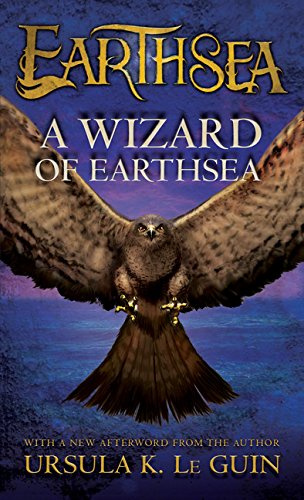
Back in elementary school and high school ((There was no middle school here. I thought that was a fiction-only thing for a very long time.)) I was a huge high fantasy fan. Somehow, though, I never got around to Earthsea, which I’ve since learned is a genre staple!
The story follows Ged as he develops his magic into becoming a great wizard. He spends a lot of time early on doing whatever he can to prove he’s the best, to the point where he causes problems and gets one of his teachers killed. After this point, a dark shadow follows him that seeks to possess him and he must either evade it for the rest of his life or confront it and risk losing himself to it.
It’s interesting to see the contrast here to a lot of the books I’ve been reading lately. The perspective is not in Ged’s head, but in third omniscient and separated from the action. It’s interesting because you get to see his actions without the justification and need to make him sympathetic. His actions speak to his character, and he is a prideful kid who is making mistakes and doing things for bad reasons. If this were told from his perspective I would have hated it, but the separation made it interesting to watch his character learn and grow.
Nostalgic is how I’d describe the reading experience. It reads very much like the fantasy books I’ve grown up with, but with a focus on a single character learning, changing, and growing as he explores an interesting world. Overall, I really liked it though it really does read a lot different than anything I’ve read in the past couple years.
So let’s do a book 2 in a series. It’s been a while. Also, I’m going to go ahead and spoil the story, so heads up about that.
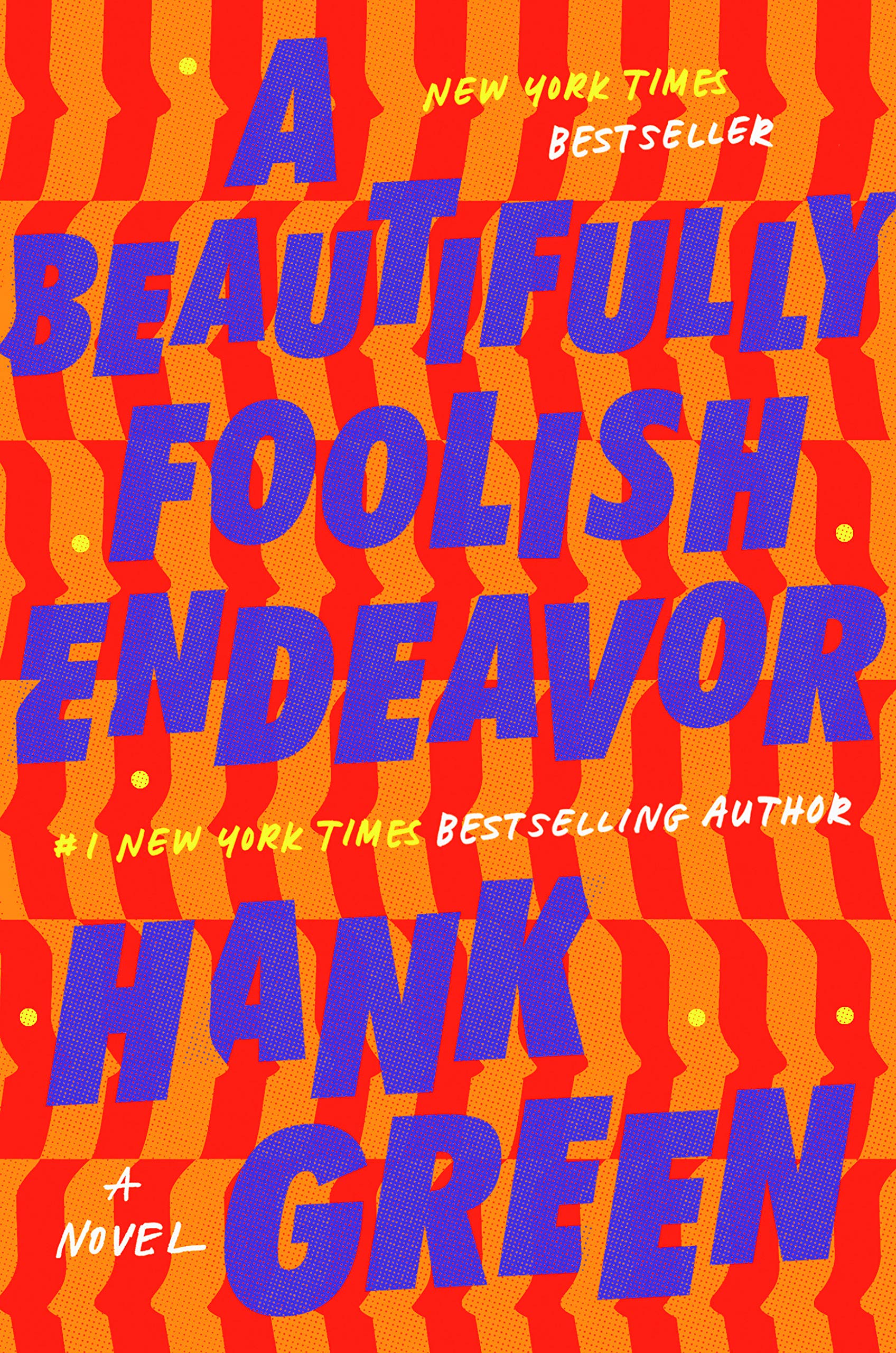
This book follows the larger cast of the first, minus April because she’s effectively dead at the start. As they move on with their lives with the Carls gone, something strange starts happening. They start getting mysterious books telling them how to move through the world to get the best results and April’s rival from the previous book has started on a new business venture and has divorced himself from his involvement in her death.
As the story unfolds, April comes back and they learn of Atlus, a new technology that will allow users to experience other lives that is actually being controlled by the Carls brother. A whole bunch of stuff, as we discover, is controlled by this other alien being, and it becomes a story about taking down this other force using stocks and corporate sabotage.
The climax did take me out of the story, though it’s entirely because I work in tech. After over a decade where I’ve worked as a back end, front end, and UI developer, then moved into UX and product, I paid a bit more attention when the UX guy not only was writing and deploying code as part of his job but decided to push a code change directly to production with no review. ((And no automated tests, but no one has automated tests)) I missed that he went from being hired to do UX at his introduction to becoming a UI developer, which is a different job, at the climax and the only other time his job is mentioned.
You can absolutely justify this. Tech companies are erratic at times and people explain their jobs badly. But I don’t like the book enough to create and accept a justification that wasn’t in the text. Instead, I’ve spiralled into realizing Atlus has been hiring exclusively recent grads and junior level employees ((And maybe conspiracy theorists)) or people who might qualify for Catherine House ((Who else is going to leave their life for a year upon an interview to a place with no internet or contact with the outside world? Senior-level talent, in particular, tends to have a family and a life.)) and there was no way to do good UX work at this company anyway.
I also fundamentally do not understand why Atlus is addictive.
Overall, I don’t think I liked it as much as the first. This is a consequence of traditional publishing, but I thought the first one wrapped up just fine and didn’t need a sequel. It’s fine and it might be something that I just didn’t read at the right time.
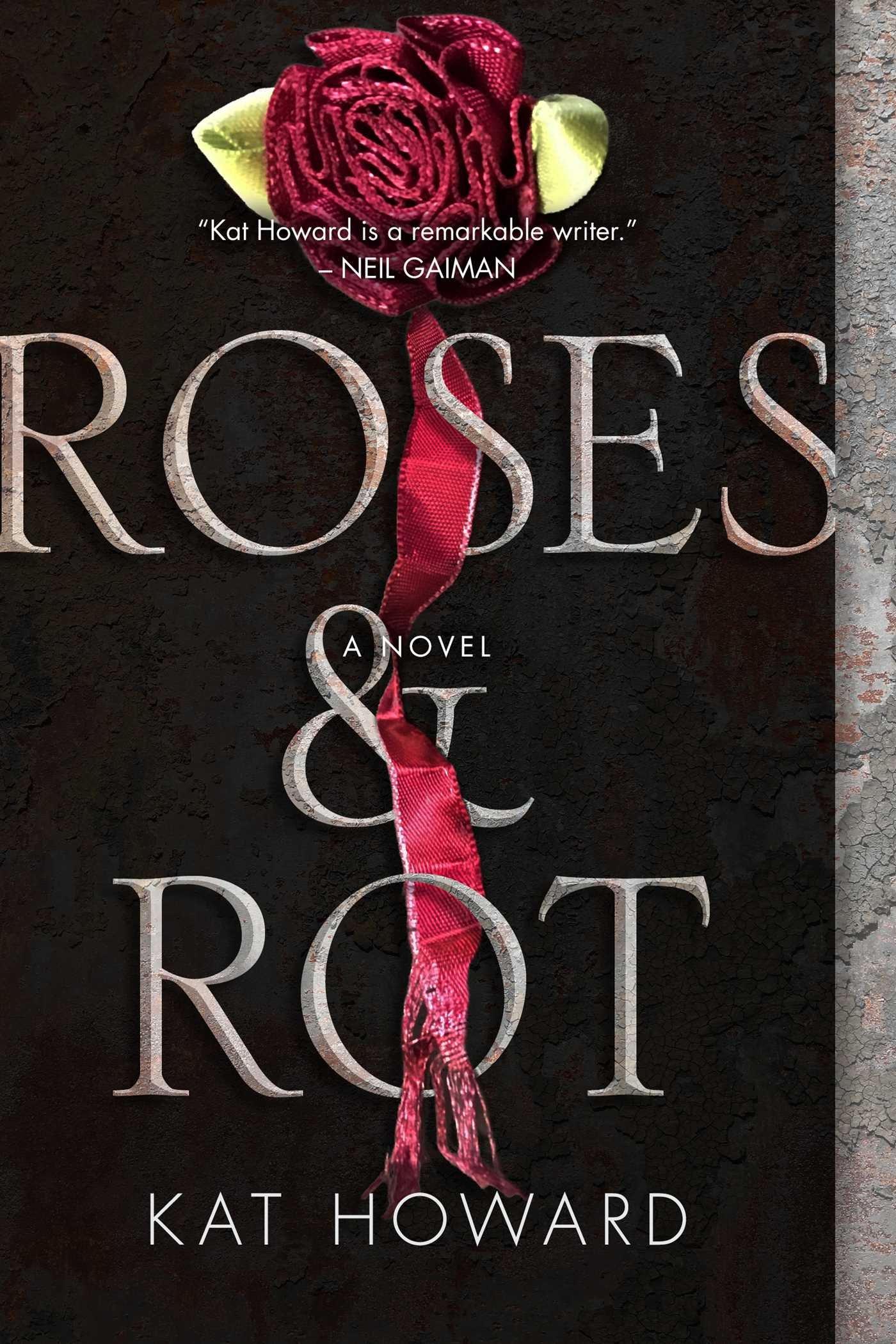
This follows three sisters that have always been a little strange, though they didn’t think anything of it. At least, not until the oldest of them disappears and the younger two must find ut both what happened to her and what happened to them all when they were children.
This anthology series has a little bit of something for everyone, provided that you also like vampires. There’s a range of stories from the deeply unsettling to ones that are just a lot of fun.
Of course we needed a witch book! This one follows younger witches as an ancient evil is coming back into the world via a string of sacrifices of other witches.
This isn’t technically a horror as far as I’m aware, but it does follow several artists that are determined to achieve greatness in a school setting that turns out to be much more than it appears to be. Also, it’s another book about sisters.
This one is not actually that scary, but it is a lot of fun! This one follows a medical professional that specializes in the supernatural and the vampires and other supernatural creatures that come to her for help.
This is a lovely horror novel about a small town with old families and one that has been subject to a demon’s whims for generations. Along with him comes a pattern of sacrifice that must occur in order to secure a family’s legacy, whether they want it to happen or not.
This is non-fiction, but true crime feels appropriate for this time of the year. The tale of the Golden State killer, the focus on the stories of those who have been left behind after the atrocities, and the unfortunate shift at the end will leave you unnerved.
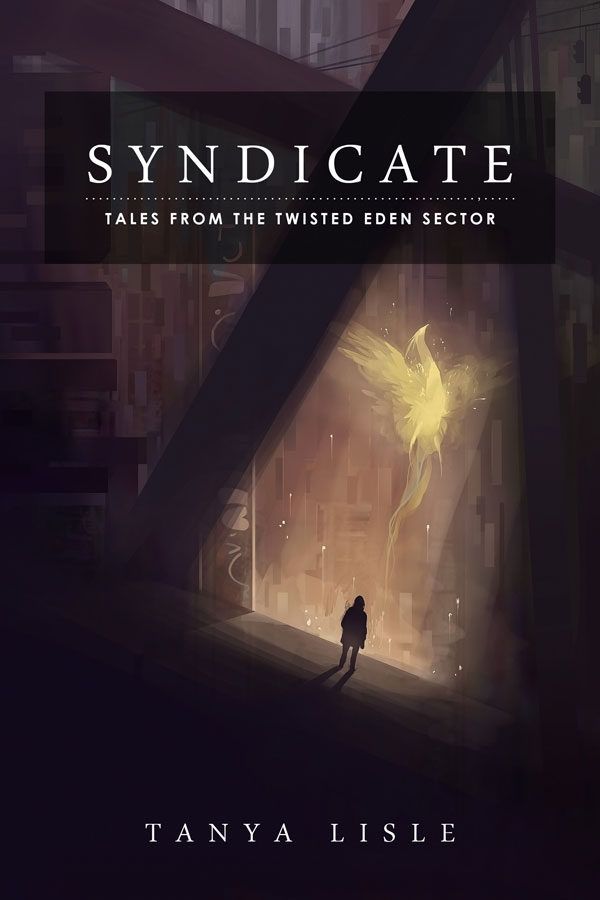
Most of my books have at least a little something spooky in them, but my very first published series was the closest to intentional horror. The series is a series of short stories that take place in an alternate universe Vancouver where magic exists but is kept hidden by the Syndicate by any means possible.