Author: Tanya

  • Invisible Kingdom review

    Invisible Kingdom review

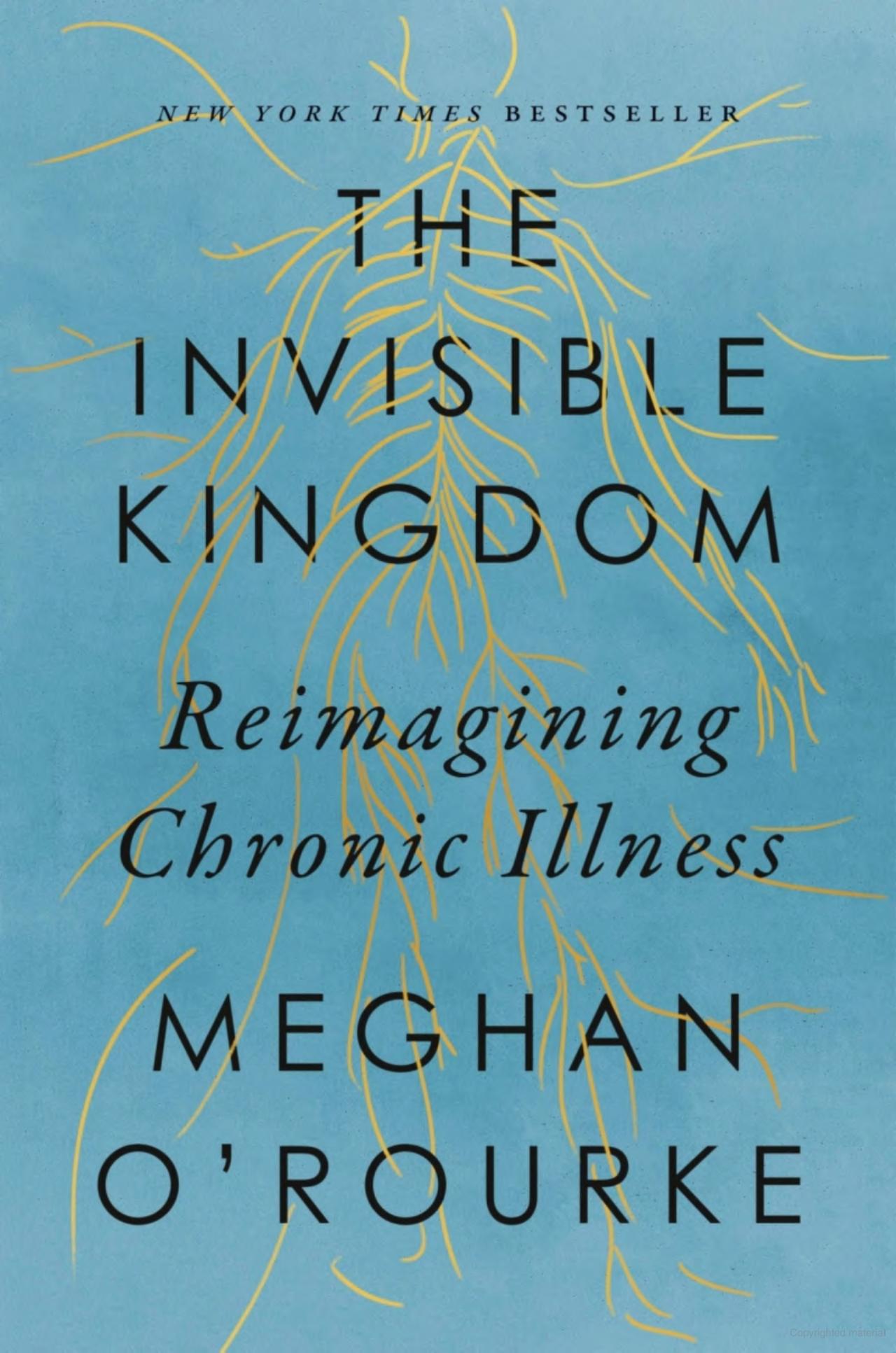
    I swear I’ll be going back to fiction soon, but a bunch of nonfiction has been coming in lately and I need to get through them all first! This one I’ve picked up pretty much directly as a result of my recent health issues, and the difficulties I’ve had about getting treatment and understanding it.

    Invisible Kingdom is mostly the discussion of how the author navigated the healthcare system to find a diagnosis and treatment for a condition that she had been dealing with for years, from doctors dismissing her to misdiagnosis to the desperation of trying anything to get some kind of relief, to finally finding something that made her life bearable and the understanding that this was going to be something she would have to deal with indefinitely.

    As someone who has more recently found themselves with a chronic condition ((Thanks Covid)) and who has been struggling to get things like accommodations from work and a doctor who can advise me on what I can do to mitigate some of the issues, I really resonated with the ideas in the book. It’s not a plan or an outline for how to get treatment so much as a journey and discussion about the things that could be better. And on the whole, I agree with a lot of the sentiments and commiserate with the issues. It would have been nice to have solutions, but ultimately this is an issue that patients are not going to be able to resolve at this point, so familiarity is a great comfort.

    Overall, I did really like this, even if it wasn’t necessarily the hopeful read or guidebook that I wanted. If you’re also dealing with some strange health conditions and struggling to figure out how to manage a life where they may never go away or trying to navigate the healthcare system, this may be a good read for you too.

  • How to write a fight scene

    How to write a fight scene

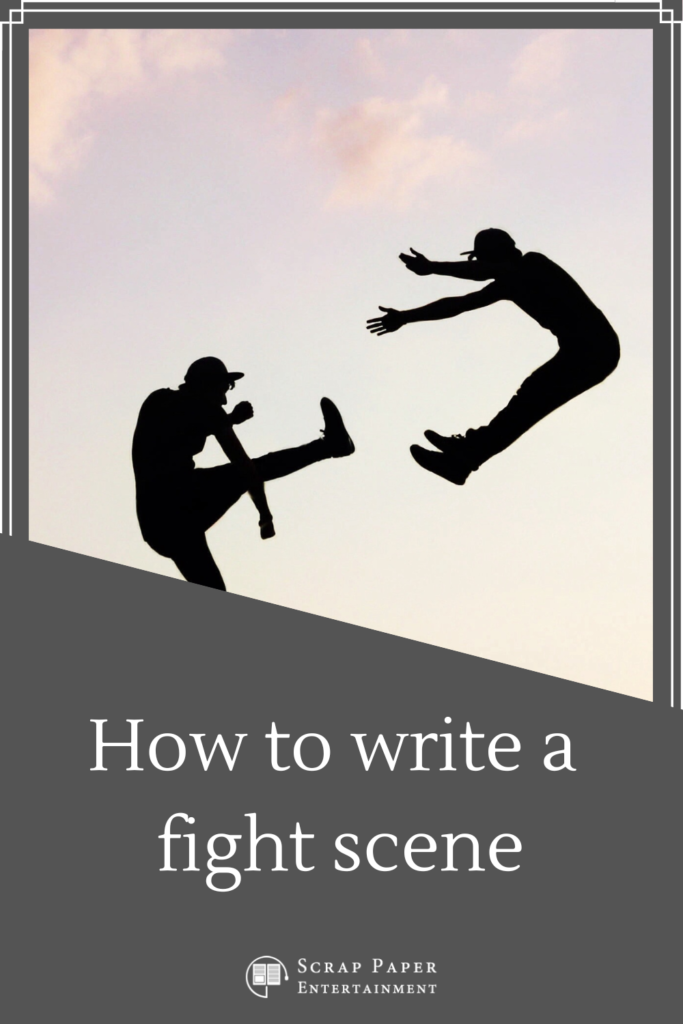
    There are a lot of ways to approach what can be a very daunting part of the writing process. In my opinion, you should write your fight scenes like a dancer would write their performance. Talk about it like an overall experience first, then obsess over the parts that were important to your character.

    Blow for blow is a little dull and gruesome, and while people don’t necessarily understand the mechanics of a particular fight as well as sex, they understand that they are probably going to be trying to hit one another.

    Again, the actual fight itself is rarely the important thing. It’s the conflict coming to a head, one person winning out over the other or escaping in the end. Maybe it’s the climactic conclusion where they both die. Overall, the important thing about most fight scenes is not the fight but the conflict that the fight represents. The styles of fighting typically describe the characters.

    When you focus on the blows or attempted blows of the fight, focus on the pivotal moments of it and the parts that define the characters. Backstabbing, any hesitation moments or moments where there is no hesitation at all when there might have been, moments when they go in for the kill and where they are looking when they do so, when one person gets the upper hand over another and how, these are important moments that should get a bit of a focus because they can further illustrate the characters involved.

    The rest is about everything but the fight. The feeling of the ground under their feet. The weapons in their hands. The pounding in their chests. The sun in their eyes. The blood trickling out of open wounds. The pain as they try to balance on broken limbs. Make it a visceral experience.

    There are exceptions to this, of course. If you want to do this more from the perspective of a cold killer, on the other hand, describe every single blow. That makes it more cold, mechanical and removes any of the emotion from the battle. Removing the sensations can make it feel dull and monotonous, like an office job.

  • The growing acceptance of self publishing

    The growing acceptance of self publishing

    I’ve been going back to craft fairs and art markets, which is exciting in its own right, but I’ve started to notice a shift lately. When I talk to people who come to my table interested in the books the first question is if I wrote all of these books. The second is if I published them myself.

    The response is significantly more positive than when I started.

    There have been a lot of discussions over the last decade of doing this where people have opined about how self publishing is not to be held on the same level as traditional publishing and I have largely learned to tune the think pieces out over the years. I’ve been self conscious about taking the easy way out in publishing off and on for ages and the discussions were ultimately not giving me any new information.

    But the thoughts of the people who were actually reading the books, they were the ones I cared a lot more about. The majority of readers aren’t engaged in these online debates, though the hesitancy towards self published works was still definitely there at the start. That seems to be changing now, and the casual reader is a lot more willing to pick up something and give it a try.

    Some of this might have to do with being a local author that they were able to speak with directly, granted. But overall, watching the change in attitude gives me a lot of hope. I know how much work I put into my stories, and it’s nice to see that it’s not going to waste.

  • Rich Girl, Broke Girl review

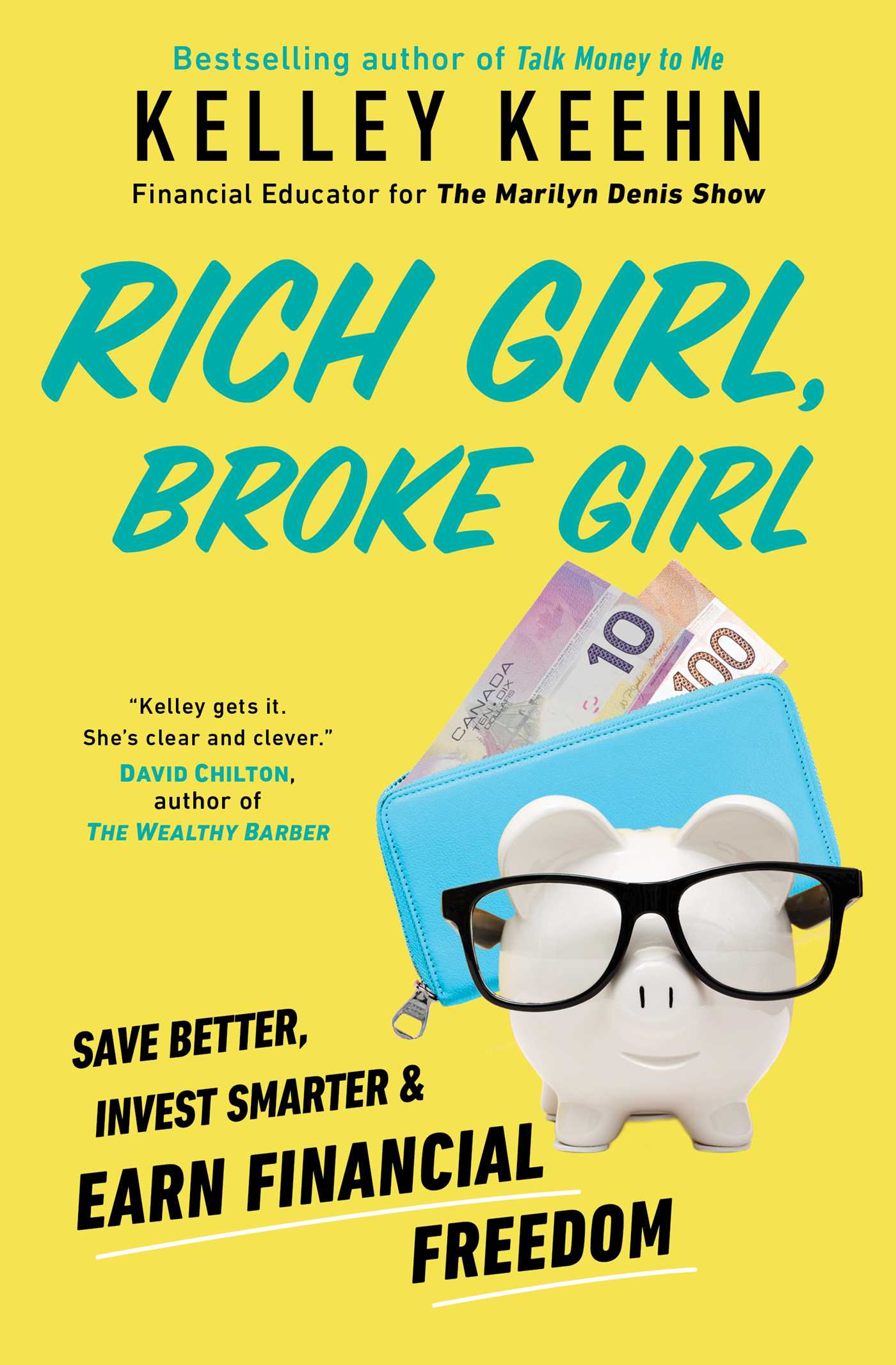
    Rich Girl, Broke Girl review

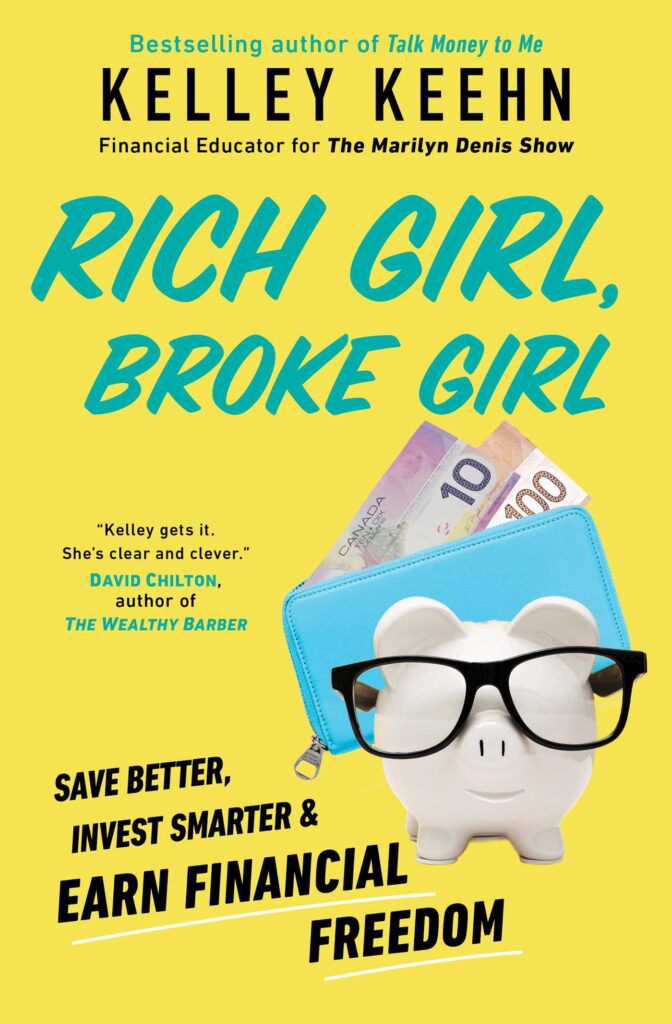
    And it’s back to trying to get financially literate! I have been back on a kick of trying to get my finances in order, reduce my costs, and figure out how to make retirement a thing that might be able to happen for me at some point. This book came up in my library searches, and it was actually not a bad one.

    The book is framed mostly around vignettes about the finances of individual women. It starts with the situation, then proceeds to break down some of the mistakes they made and how those mistakes can be rectified, complete with some very specific details that pertain to Canadian finances and how things work in my own country, which is a pleasant change! The situations feel realistic as opposed to the worst case scenarios that other financial books I’ve read tend to do and deal with a lot of the misconceptions of how some of the particulars of how Canada works. Like stating that in BC, you can accidentally end up in a common law partnership with your roommate who may then have claim to your assets should you split.

    It also had a little information about investing and some of the more common mistakes that I know I made when I started, and goes into some of the details around the differences between investment vehicles, while still keeping it in the context of the situation they are talking about.

    Overall, I thought it was a really solid finance book. If you’ve got an interest in getting your financial life together, or even just refining it a little, it’s a good one to check out.

  • March new stuff roundup

    Another month and another set of new things that I’ve gotten out into the world! Slowly, I’m pulling all of this stuff together!

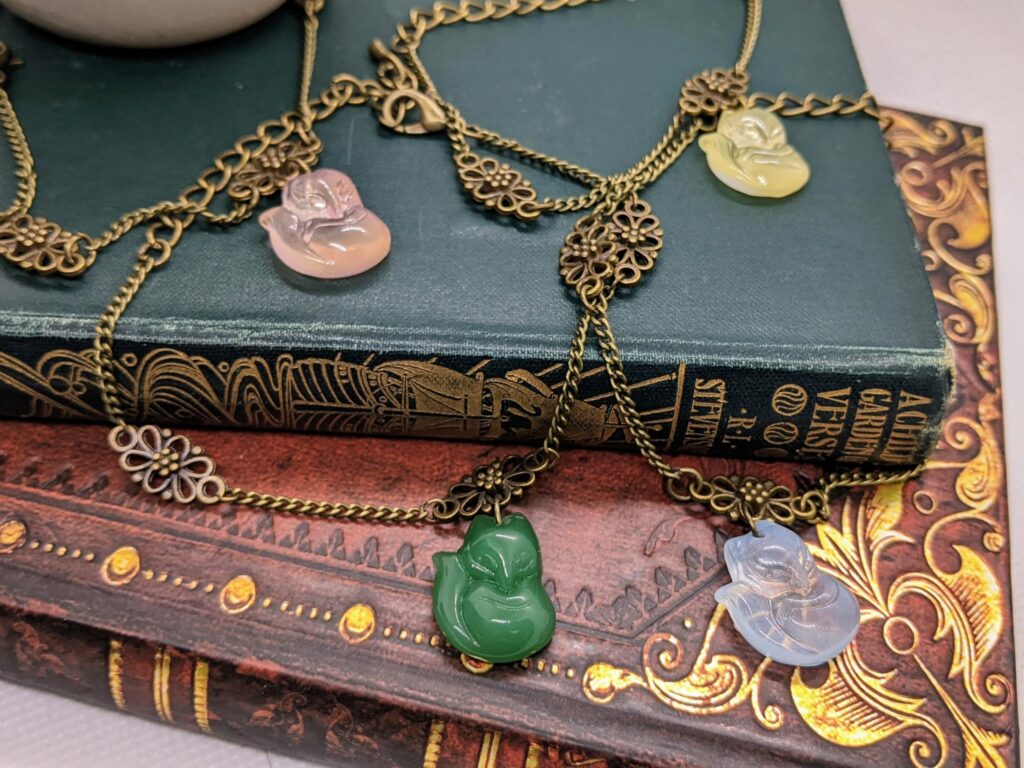
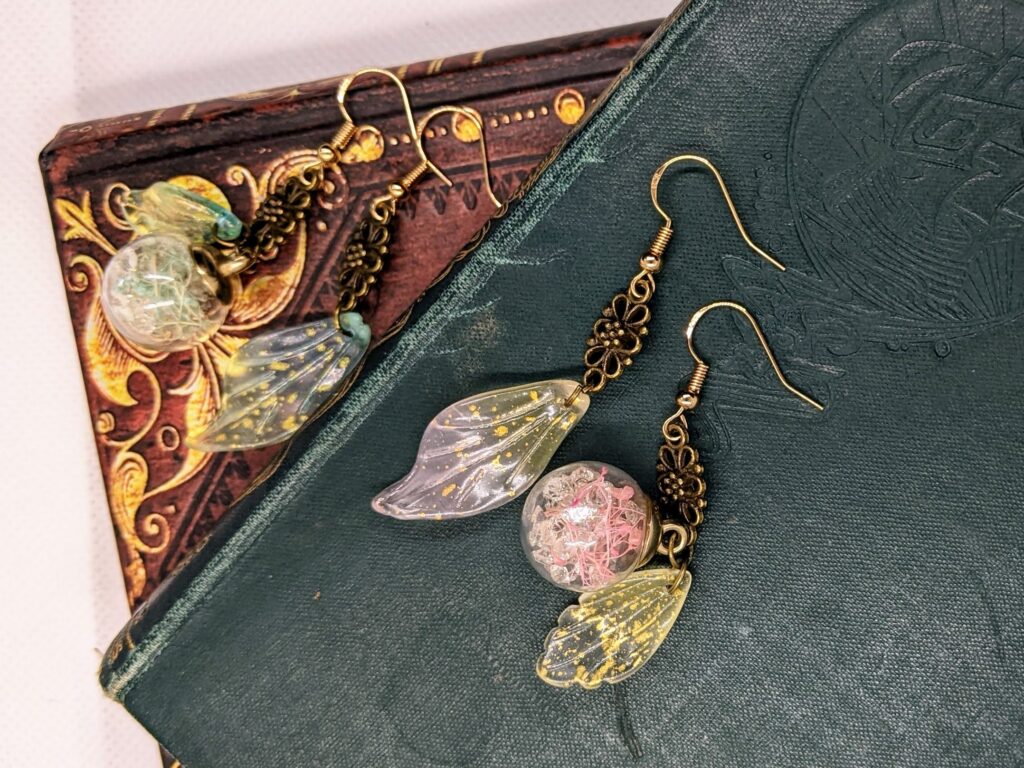
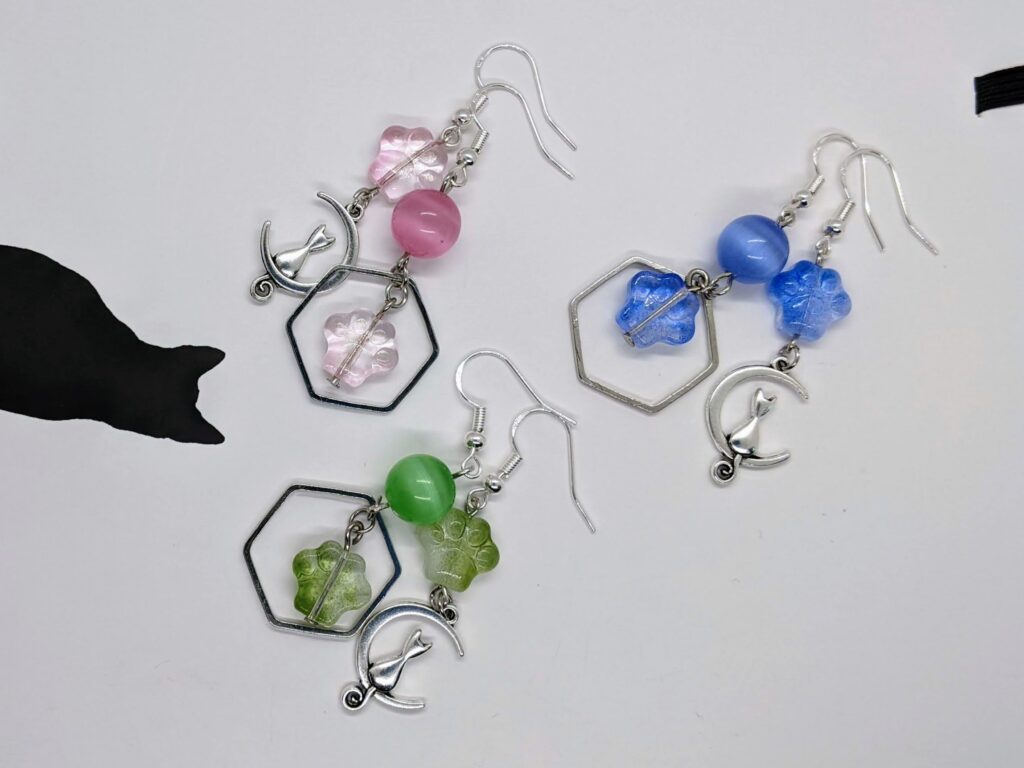
    Scrap Paper Trinkets

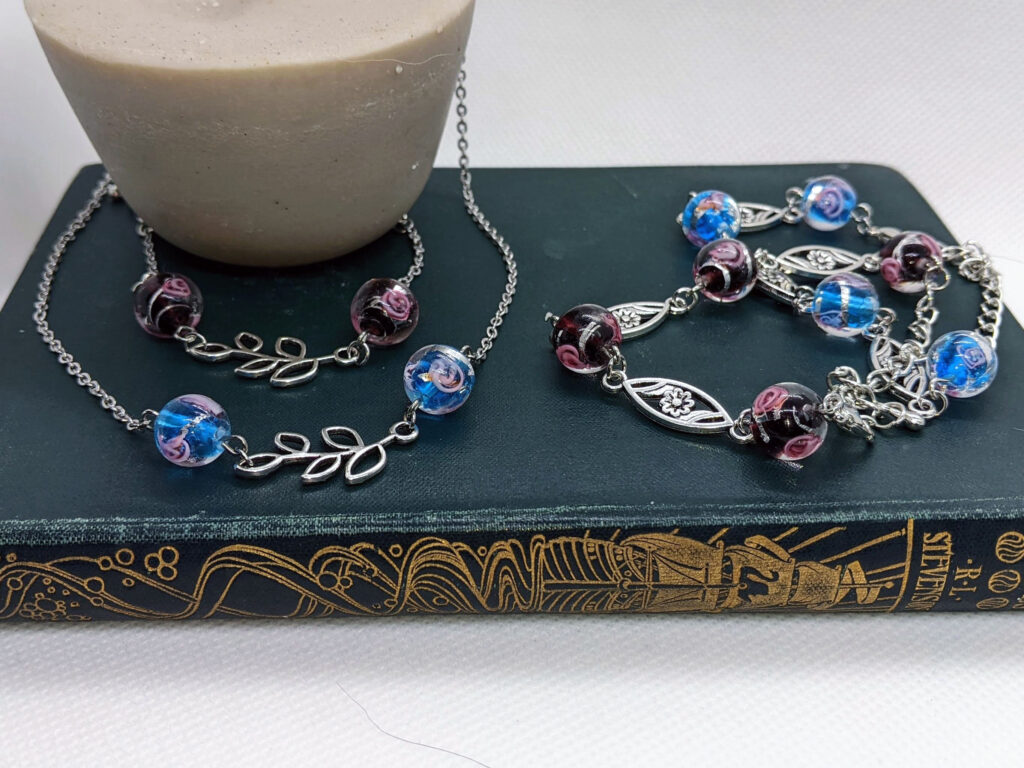
    I’ve finally got the instagram account set up for this, so do follow me there for more up to date releases of the new products that come out closer to when they come out!

    These items have been released on both of these shops:

    Medium

    And, of course, a few more posts on Medium! I do post here first, but would still really appreciate the support over there as well.

    Coming up

    I’m releasing a new workbook in a couple weeks! This is a guided workbook to help with character development, and to generally get you a more rounded character. Tentative date is April 10, so check back soon!

    Also, due to some requests from people in my life and online, I’m also starting to document and write out some of the processes I have implemented to help get my life and my writing together. I’ll be putting them all on Gumroad, along with also releasing some digital versions of the worksheets from the workbooks I’ve made so far.

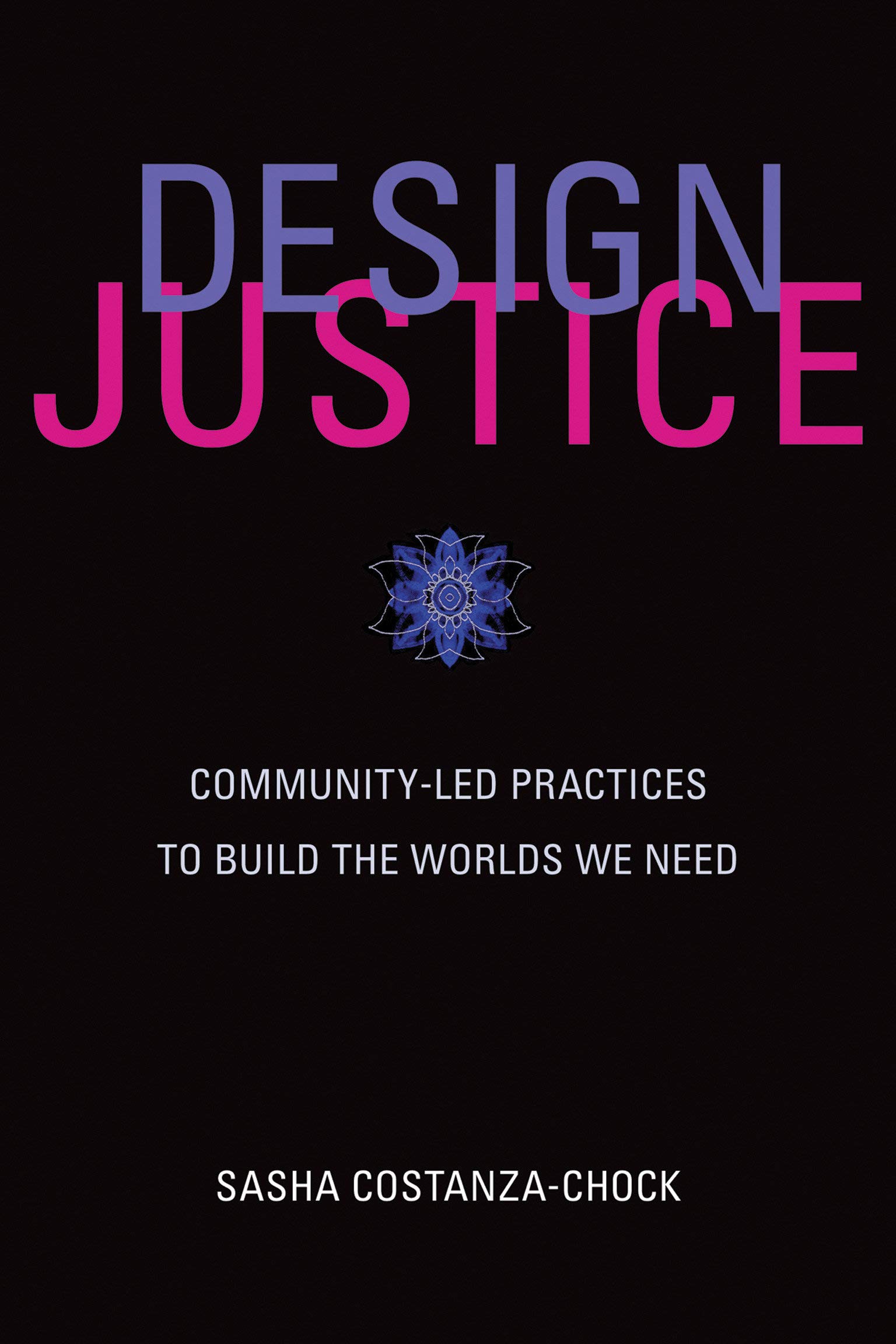
  • Design Justice review

    Design Justice review

    Every once in a while, I will read books on purpose and not just because I randomly saw it in a search and figured that might be an interesting thing to read. For those who don’t know, I work in tech as a product designer and UX… everything lately, let’s be honest. So something about how to do research and design ethically is something that is very squarely something I am reading for work.

    The book outlines a lot of the issues that currently exist within tech and how some of it could be addressed. The vast majority of tech products are designed very specifically by and for a majority population (White, male, cishet, able bodied, etc.) which can cause issues for people who fall outside of those groups to access things. The primary solution to this is participatory design, or getting the larger community involved in the process of designing and creating these products so that they are inclusive of all people who might find value.

    The idea of participatory design is something I’ve been interested in, as has the idea of building off of what a community has already created for themselves and integrating those solutions into the larger landscape of a product or problem space. I do find it unfortunate that there was the acknowledgement that in order to get some of these opportunities and solutions prioritized, you really did need to frame them in a way that emphasized the monetary impact over the human impact, but I am also very aware of what tech in specific and business in general is like.

    No one is really doing this for the good of the people using a product. It’s for the profit.

    Overall, though, if you’re someone in product, design, or user experience, it’s a good read. I imagine the ideas aren’t going to be new, but the framing and context of them, along with the perspective, is interesting.

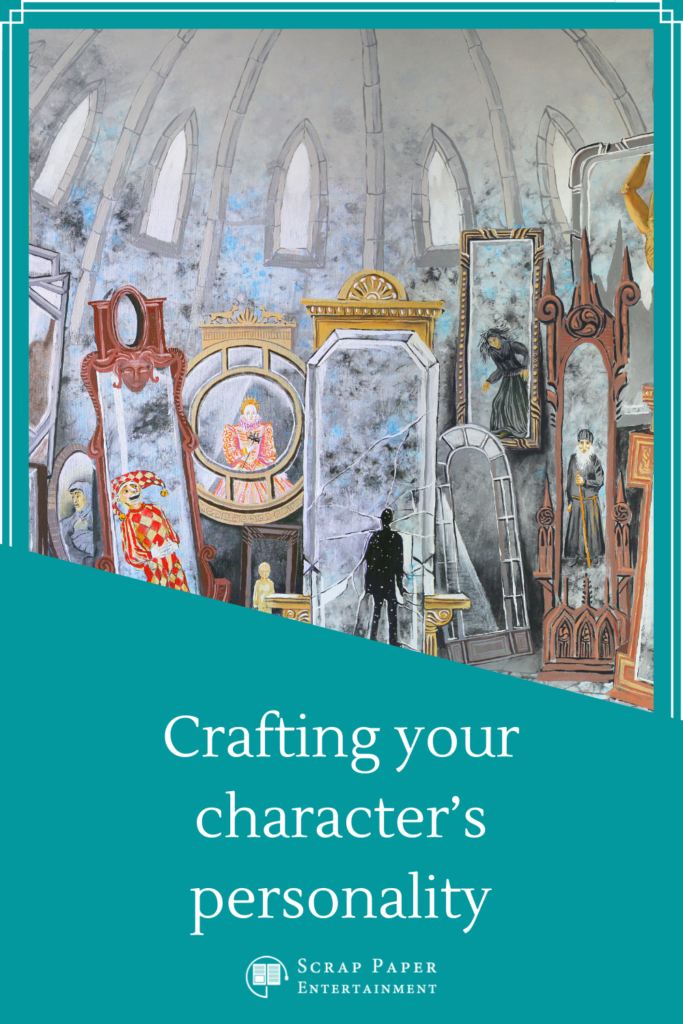
  • Crafting your character’s personality

    Crafting your character’s personality

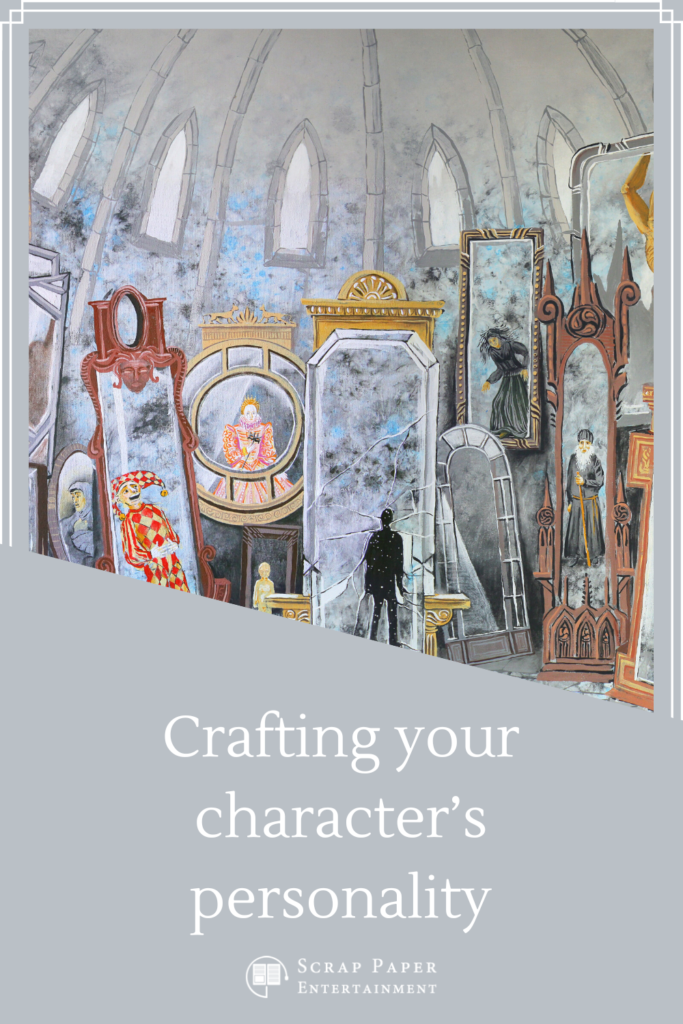
    The following is an excerpt from the upcoming Guided Character Development Workbook, specifically the Personality section!

    There are really two main parts to personality, a collection of what they are and how you know, and you use these to determine they interact with the world. They are (what) brooding and you know that (how) because they are always on their own. They are (what) bubbly and vibrant (how) because they are wearing bright colours and always smiling.

    Sometimes it’s easiest to start with a trope or archetype, such as the brooding loner or that bubbly sunshine character, and adjust that character into something that will work better for your story.

    There’s one main thing to remember when it comes to a character’s personality.

    Show don’t tell.

    I know, we’ve all heard it before, but that is imperative for personality more so than any other aspect of the character that you show the audience what they are like more than you tell the audience what they are like.

    To do this, we’ll go through the first impression, how a friend perceives them, what the character thinks of themselves, and what you, as the creator of this character, know to be true. This could all be the same, but it often isn’t. This is where some of that depth and dimension comes in, from knowing that different people might interpret differently a character’s actions.

    I will start off with an example of how I, an actual person, have been interpreted in the past. I went down to the States to visit friends and while at a store to pick up a couple of things. When I handed the cashier some cash and told them to keep the change.

    To the cashier who had never met me before and would never see me again, I was probably stupid because it’s common knowledge that you can’t keep the change at a store like that. I was likely also apologetic and chatty because not only did I keep apologizing, but I also had a brief exchange with the person behind me in line to apologize and ask where she got her earrings.

    To my friends, I was generous and respectful because I was trying to tip the cashier, as they believed I, as a Canadian, thought it was customary to tip all low-wage employees in the United States and they had been watching me apologize like it’s an accent the whole trip so far.

    And to me, I was nervous because I was overly aware of the line behind me and also polite because I had inconvenienced someone.

    The truth of it is that I was anxious because I talk when I’m anxious and tend to change the subject to the first thing I can think of (The earrings) to get the attention off of the thing I did.

    Plus, there were pennies in the change. I can’t use those back home. It would have been easier for them to keep it.

  • A Psalm for the Wild Built review

    A Psalm for the Wild Built review

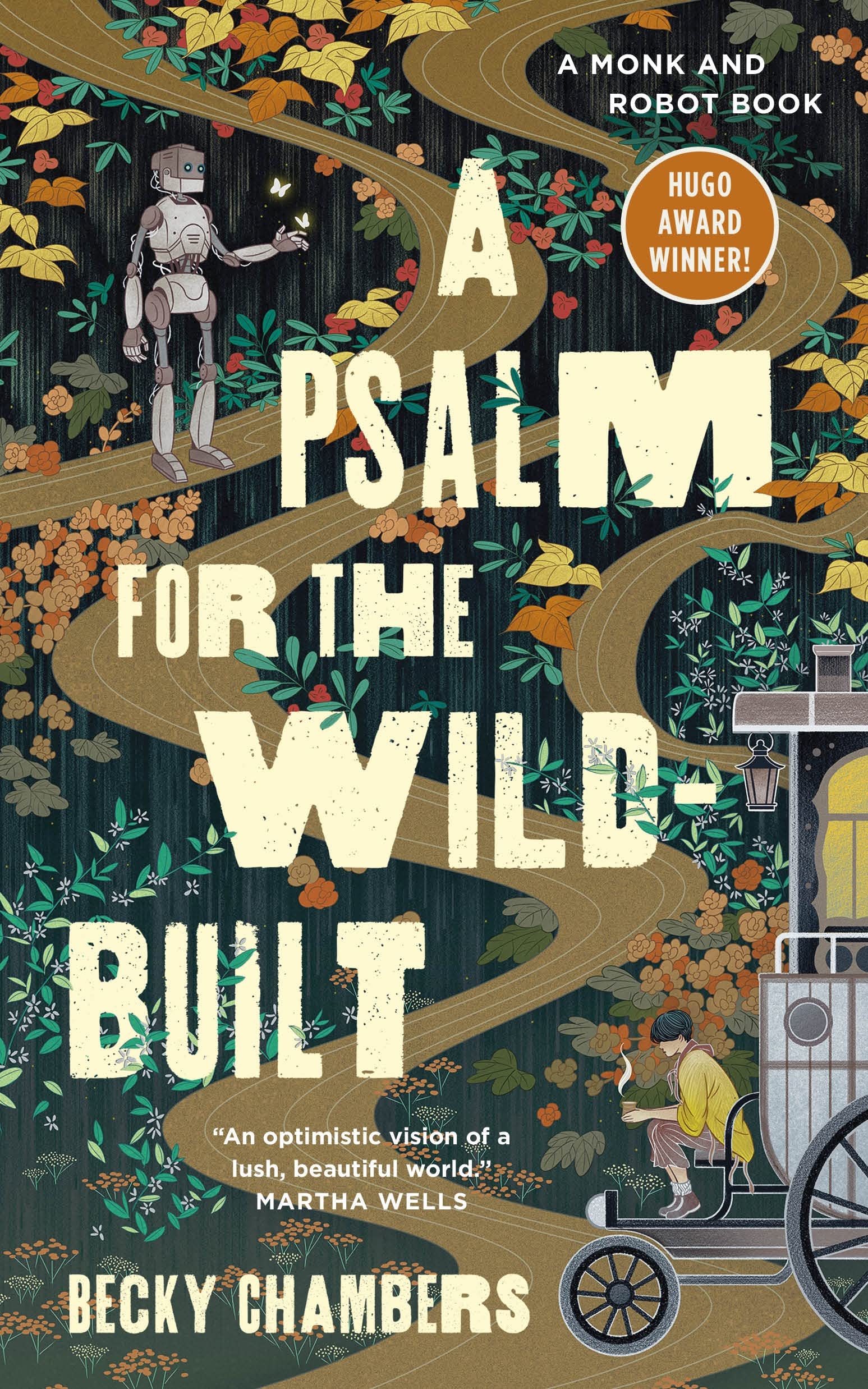
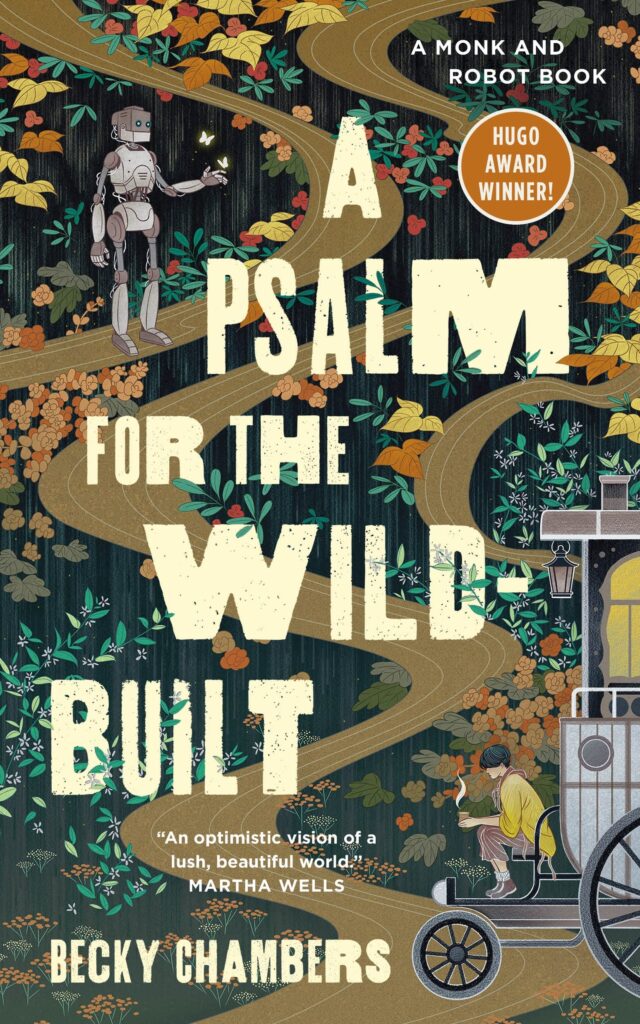
    You know what’s annoying? When you keep reading books that seem to keep calling you out specifically in weird ways. And let me tell you, it’s worse when that book is a fiction book that is about robots and tea and somehow it still manages to get in your head in strange ways.

    This is the story of a tea monk named Dex who runs into a robot named Mosscap. The robots gained sentience ages ago and human let them go to live their own lives, rebuilding their world without. Mosscap is here as a representative to understand what humans need, and so it joins Dex as they travel the countryside.

    The whole book is a series of Socratic dialogues, which I was not expecting. I honestly thought this would be more of a road trip book, but instead it was a series of conversation about life and purpose and meaning and perspective changing those things with the framing device of a robot and a monk travelling a quiet countryside where little would interrupt their dialogue or provide any external stakes to distract from the internal conflict.

    There isn’t really that much in terms of narrative to cling to, but there is a degree of character progression. Dex is someone who keeps chasing purpose and cannot seem to find something to give them that feeling of fulfillment which, well, hits a little too close to home at this moment. Through the winding series of conversations, there isn’t so much a resolution as peace that comes out of it all and the whole thing leaves this feeling of calm that I really appreciated.

    Overall, not what I was expecting but still one of the more interesting reads so far this year. If you need something pretty calm that will let your mind wander into some more philosophical places, this might be a good one to check out.

  • Getting the business together

    Getting the business together

    After a series of books that I’ve read recently that feel very much like they are calling me out specifically, I have decided to take the hint and start to get Scrap Paper properly into alignment with how a business should be run. Or, at least, to run it more seriously.

    I’ve always struggled with the idea of taking it seriously mostly because I have a day job. I don’t need Scrap Paper Entertainment to be financially successful, so instead it is what I use to put out all of my side projects and to give a bit more structure around the new things I try.

    But then my company had a major layoff and, while my job remains safe, it was a good reminder that jobs are never really safe. Fear is a fantastic and unfortunate motivator.

    But also, a series of books recommended to me by mentors have also helped me to start to put together an idea for how to at least figure out a way to make it into a business that I can feel comfortable running. They also helped me figure out how to conduct my day job career as well, and that was the original intent, but I now have just… so many ideas around how to make some of the other things come together.

    Which, by the way, if you want to see some of the initial spiral those articles are over on Medium.

    (I am going to make a habit of cross-posting to Medium, by the way, and if you want to follow me there I would really appreciate that!)

    So this is going to mark the start of me trying to make the business actually come together as a business. First up, I need to at least organize what I have and then set up the framework into something that actually works with the way I am comfortable with working. Let’s do this.

  • Body of Work review

    Body of Work review

    Today in books that I was recommended by mentors that seem like they are chosen very specifically to call me out, another career book of trying to try and help me figure out how to specialize in my field and instead has seemed to push me over the edge toward trying to get my side hustles all order at last.

    This is one of those books for people who are a little lost in the midst of an already established career, rather than one for someone looking to just start out. The main idea is that you should look through your entire history, focusing more on the history of things that you have done arguably as work and what satisfied you there, and then using that to try and find a common thread to help you focus on what you should do for your next steps.

    The book does have a significant focus in the latter half on entrepreneurship and finding a path for yourself, either to pursue as a side hustle or to take the leap and do as your main thing, which was interesting. After What Colour is your Parachute, I was so primed for hearing about how to get into that dream job more so than discussing the idea of forging your own way. Which I am mostly for, but there is an uncomfortable amount of examples of coaching in there.

    Or maybe I noticed those more because I have been seeing a truly bizarre number of ads for coaching and setting up coaching services lately.

    Overall, interesting read! I did like how it tied back to How to be Everything, and it was a lot more designed for someone in my current stage of career uncertainty than some of the others than I have looked into. I don’t know if I appreciate just how much it seemed to be calling me specifically out, though…