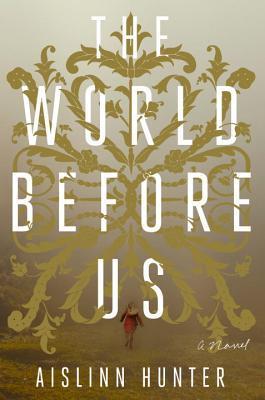
I had been having a rough time of things, so I just needed to read something. Anything that was available. none of my holds had come in and I was not able to get into anything that was in my digital purchases TBR, so to the library and picking something at random!
Normally I would talk a little about what the book was about, and there was a story to this book, but I cannot do that. I am aware that there is a character named Jane, that a girl named Lily went missing, and that there is an asylum with a bunch of people in it, but I cannot tell you much more than that. I cannot remember this book at all, and I just finished it last night.
Some of it is likely due to the aforementioned inability to get into anything, ((And health issues flaring up again, yay brain problems)) but also some of it is the framing device that made it hard to get attached to anything happening. The story is told through the perspective of a bunch of ghosts that are watching Jane as she goes about her life, which made her story feel like it was so distant from what I was supposed to be paying attention to. Even though Jane was the throughline, I never felt like I was supposed to be paying attention to her so much as the characters in the foreground, and those characters did not stay on topic.
I think this was ultimately just not for me. I’ve never had a book vanish from my mind so quickly after reading it and, though the prose did have a nice quality to it, I think it was just not a good match for what I was looking for.
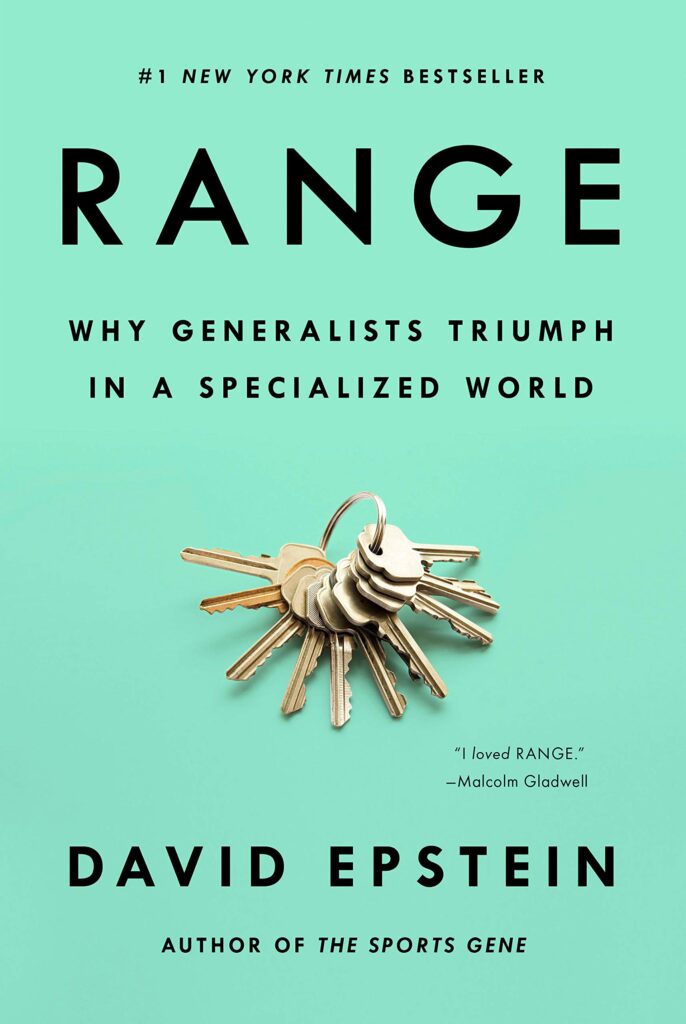
Today in books I added and completely forgot about, I have a feeling I thought this was going to be another book like How to be Everything. And it kind of was, but mostly was not.
Range is an argument for and a series of stories about not specializing and instead getting a broader background in terms of education and experiences. Each chapter takes a slightly different perspective on how either specialization doesn’t provide the insight that might be required to accomplish some big endeavour and gives them a limited view, or how people with very wide and varied background were able to bring perspectives that were able to create something great.
I thought it was a really interesting read. As someone who has often been in work situations as the only one who has a broader background, it’s come in handy and it’s interesting to see how that can be applied much more broadly to wider applications. It’s good to see that this personal experience appears to be not so isolated to just myself.
Overall, I thought it was a really interesting read. Definitely worth checking out if you have some time, and especially if you’re feeling like you’re meandering in life.
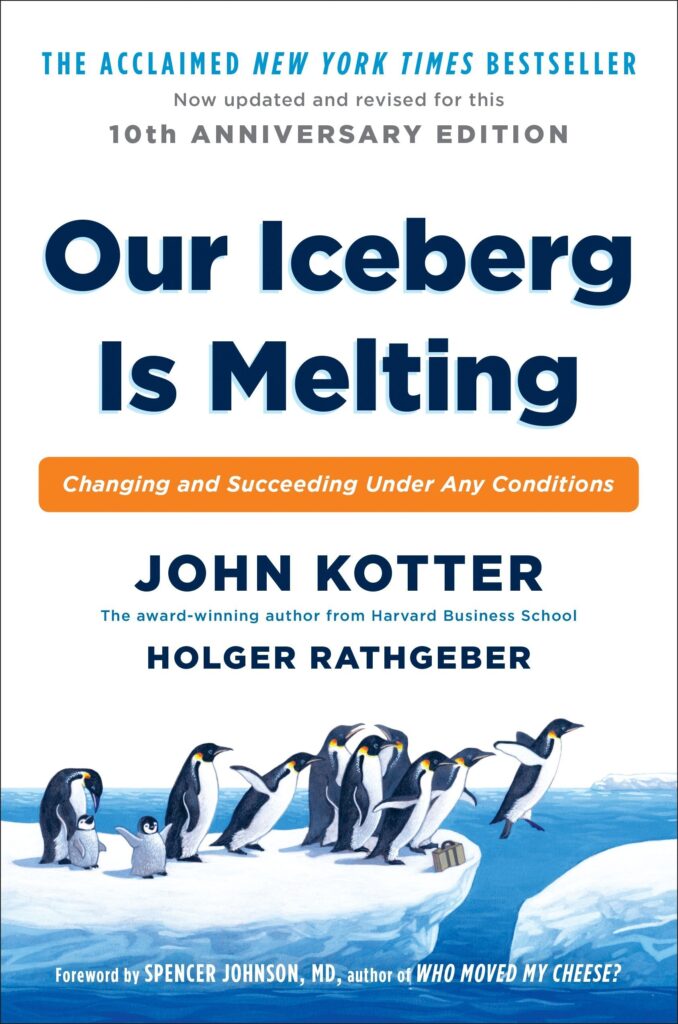
You know when you pick up a book that was recommended as a business book because you tried to read something fictional and you just couldn’t get into it, but it turns out that business book is actually just a whole allegory told as the story of penguins? Yeah, I didn’t either.
The book follows a group of penguins as they discover that the iceberg they call home may not survive the winter. It starts with one, Fred, who finds the problem, and then spirals as he finds people to help figure out a solution to the problem, resulting int he penguins changing their whole way of life as they get buy in from more and more of the colony and deal with the detractors. And the whole thing is an allegory for how to approach change management within a company.
I thought it was fantastic, honestly. Not everything is going to translate one to one to an actual organization and it does paint a somewhat ideal version of how things could end up going, but overall I thought it was a pretty effective way to get the message across in a way that wasn’t as bland or overly “This is the only way to do it and I am the only one is right”-ish as many of the books I read do it. It really was a lot more showing than telling, which I appreciate, and illustrating how this whole thing could happen.
If you’re looking for a bit of a business book that is honestly a lot more effective than other books out there, definitely check this one out. It’s pretty great, informative, and also has some really lovely illustrations throughout it.
I have been publishing since 2012, putting out several books a year for a decade, and took the last year off of publishing. At first, that was an intentional choice. The actual plan was to use the year to try out a few stories that I wasn’t sure about and give myself the space to not like something and still have something that I could get ready for publication the year after.
That plan fell apart pretty much immediately. Between the flood and getting sick with a chronic condition that I have not yet recovered from (I might one day, but it’s going to take a while) I have had to learn a lot about rest and figure out how I can still consider myself an author when I am not writing. Or when I am incapable of writing.
The thing I’ve come to realize in my time of forced rest is that the way I was going before, with time spent working almost every evening on writing the next book and making sure I was always busy with another new project, was probably not sustainable in the long term. I have needed the rest for a while, and finally circumstances allowed me to take it.
And rest has been hard. It’s not something that comes naturally to me by any means. I want to do things constantly, but this rest and the new habits that I’m building as a part of it are good for me in the long term, regardless of health. Spending hours on the computer churning out 5000-10000 words in a day in order to meet deadlines may mean that the stories get done faster, but ultimately that rate is not good for me.
I had my productive decade. And now I am entering an era of rest. Expect books much more slowly, as I try and find a new balance with where I’m at now.
Time to tackle the digital TBR! There’s not as many books in there as I thought (Or maybe I just haven’t been looking at the right place) and it’s been ages since I got these so this should be interesting. I don’t even remember when I got these ones…
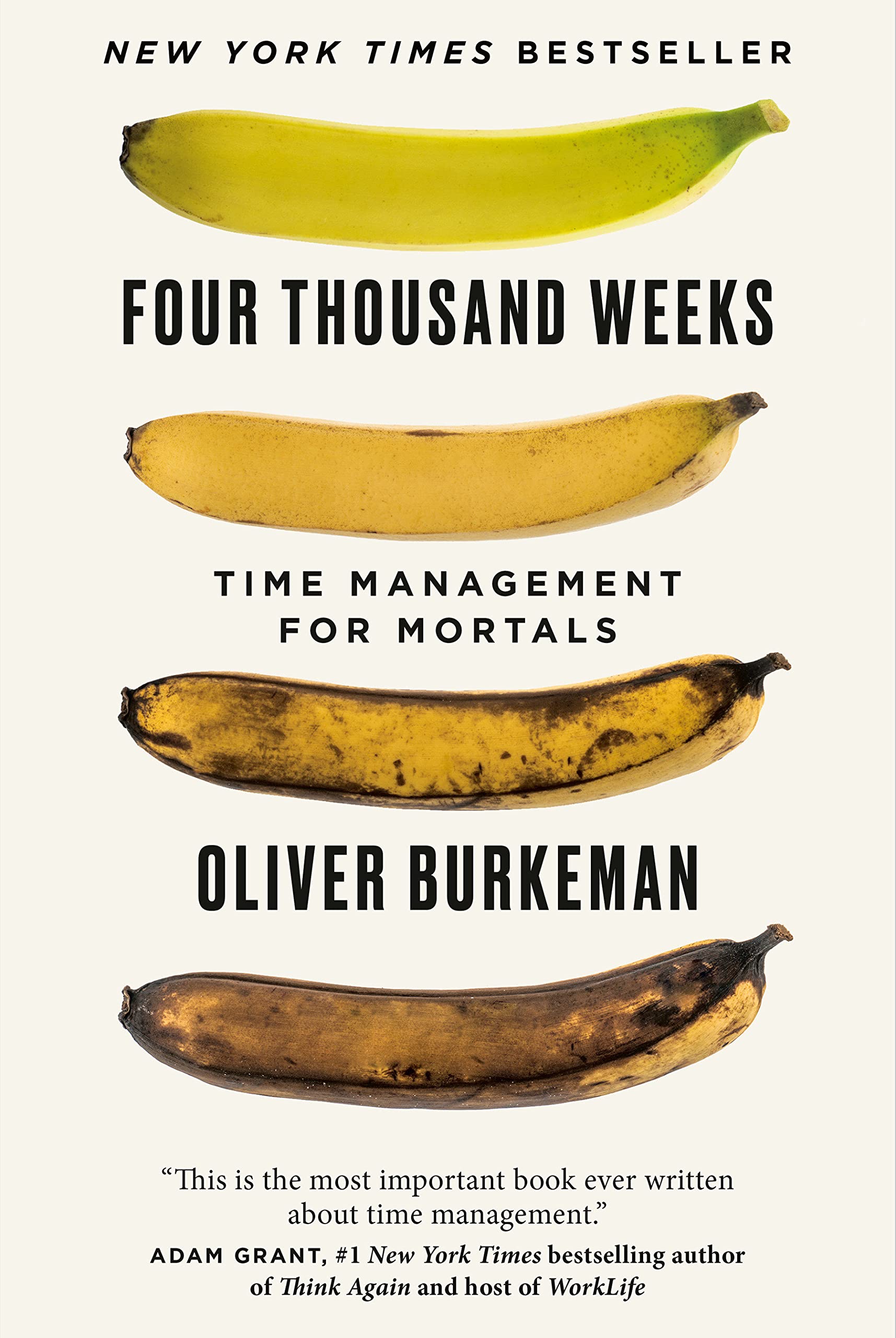
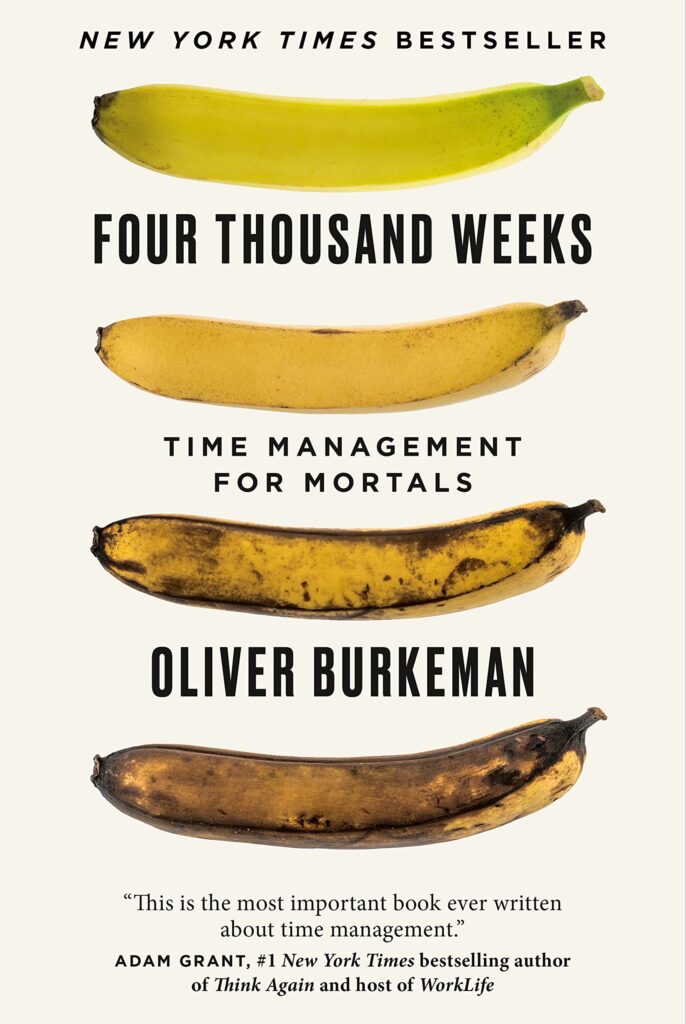
Four Thousand Weeks looked like a productivity book and even started like one, but quickly devolved into a discussion on time and what the purpose of productivity is. It’s an interesting intersection of what productivity practices teach and why being productive isn’t necessarily the best thing for us as people.
As someone who has been learning an awful lot about rest the last year and trying to make life better for myself in the long run, I really resonated with some of the discussions around how the things you once did for enjoyment become things you have to do for income and the loss of enjoyment in the name of productivity in general. The idea that you can just… not for a while is strangely comforting.
Overall, I really liked it, even if it wasn’t what was expected. There are legitimate tips in the book, but if you’re looking for something that goes more into the purpose and intent of productivity and rest, this one is a great read.
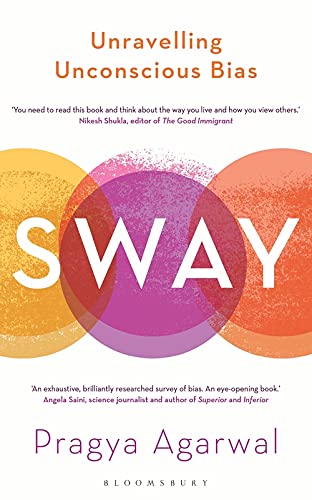
Did I forget I had a digital TBR as soon as I finished off my physical one? Yes. Did I just pick the pretty cover off of my books to maybe read from the library instead of looking at the blurb to find out anything about it? Also yes. Did I even read the subtitle that is directly on the cover? You know the answer here.
Sway is a discussion about unconscious bias and how it’s an underlying part of life in general. It’s a lot of research around how there is a lot of historic and structural bias, which then leads into how people interact with one another, and some of the more subtle forms of how it shows up. It was a more difficult read than Design Justice, which covers a lot of the same subject matter, but I found myself liking it more because it didn’t feel like it was trying to offer solutions ((Which ultimately didn’t feel like actual solutions)) so much as just highlighting that the issues exist, how they appear, and how they affect people.
Also will say that the one star reviews on this one are a lot of fun.
Overall, it’s an interesting look at the pervasiveness of unconscious and implicit bias and how it affect people in their daily lives. If that sounds like something you’re interested in, check it out!
I’m very happy to announce that I’ve managed to make something! After some feedback on the workbooks, I’ve heard you and I’ve put together something that is much more guided!
(Also, I now understand that my understanding of a workbook is different than others, and I should have been more clear that those were more guided and structured workbooks, my bad!)
Guided Character Development Workbook is designed to walk you through my process of developing a character, as well as give you everything you need to integrate their character traits into your writing, helping you show who your character is rather than telling.
I hope you enjoy it! Do let me know what you think and if there’s any other things you are interested in. This was a lot of fun and I’m starting to think of some other processes that might be helpful.
This was the last physical book on my to be read pile and I am finally through it! At last, the whole pile is gone! After this I can start on the digital one and then finally I will have read all the books I have! AT LAST! And then get more books as a reward. Anyway…
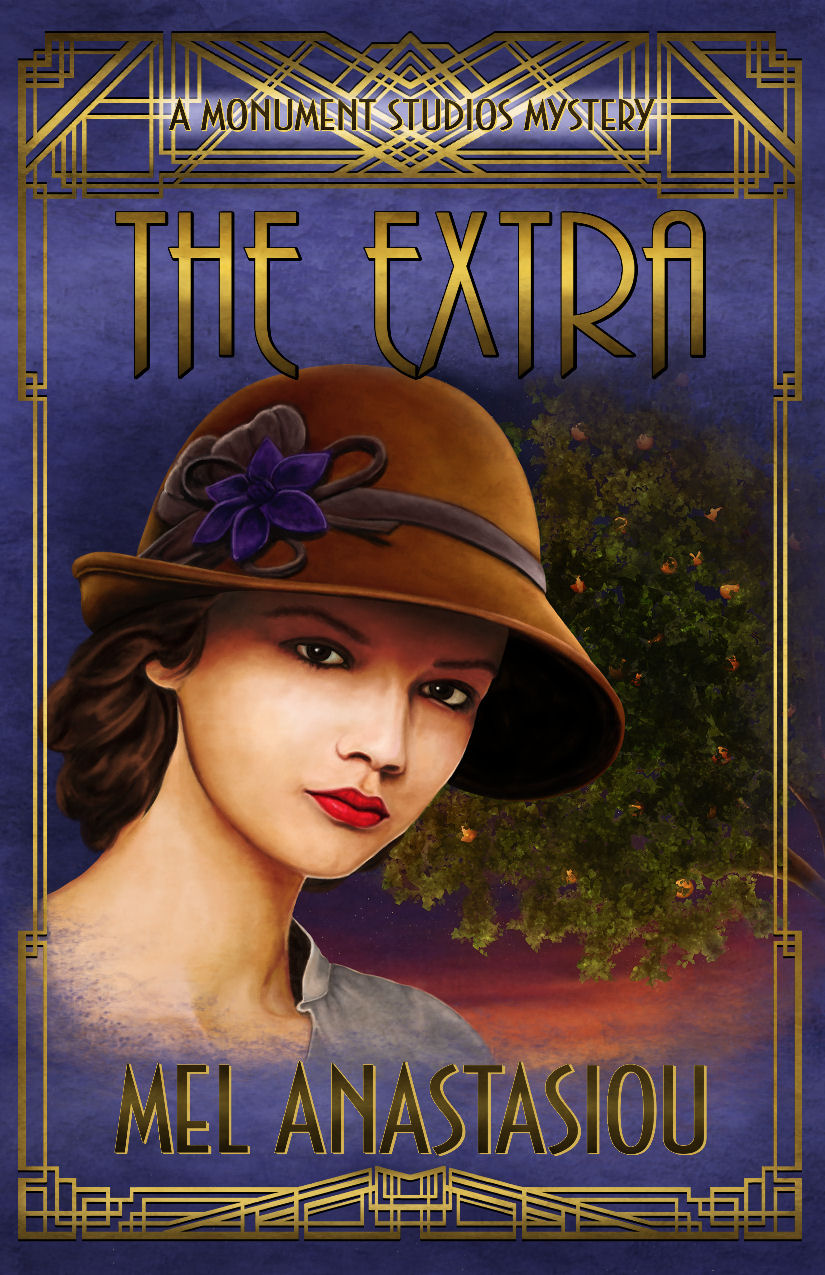
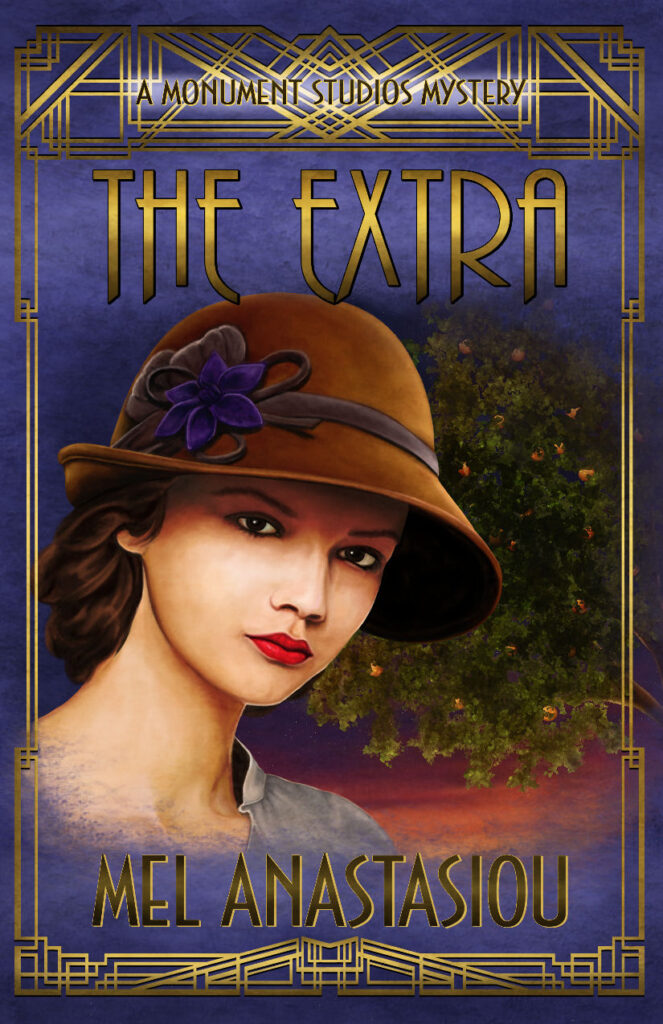
We follow Frankie as she heads to Hollywood with her friend, Connie, to pursue a life as an actress. Things go wrong on the way there as they end up giving a truly awful person and famous director a ride into town and get caught up in the glamour and mystery of Hollywood, along with all the disappointment that comes along with it.
The story doesn’t really kick off until more than half way through the book when the murder mentioned on the blurb actually happens. Before that, it’s a lot of set up to understand the inner workings of Hollywood and just how terrible just about everyone in the book is. Once the murder happens, it feels almost like a completely different story, with Frankie going underground and trying to solve the crime while evading the police.
While the story is pretty well paced once the murder happens, I found that I didn’t like any of the characters. People are vindictive or self serving, and even when there’s a moment of redemption where I think someone might make a good decision, that is soon undone by their following actions. I was rooting for no one in this even though I’m pretty sure I was supposed to be.
Honestly, I preferred her Stella Ryman book more, but this might be a good fit for someone looking for some of the old Hollywood glamour and a more traditional read. If it sounds interesting, check it out!
Back to my physical TBR and another book from the Pulp Lit event! Naturally, I did not remember what the book was about and just picked it up because it was the next one on the list, but I am pretty happy with what I found! It’s been a while since I’ve read some fantasy.
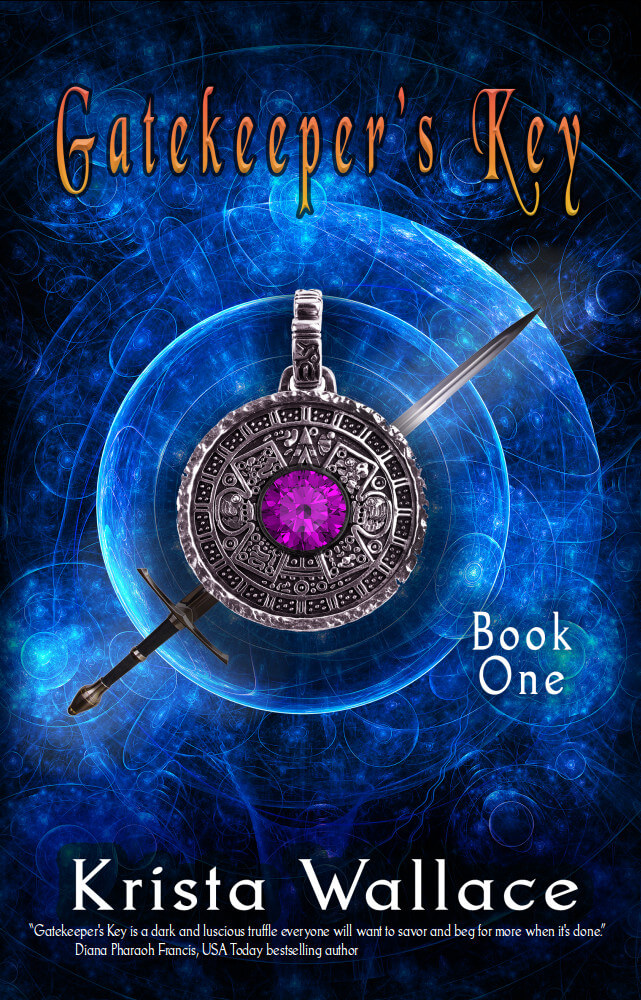
The story follows Kyer as she ends up being recruited into a party on a mission. The country is being slowly overtaken by another power on the edges, but Kyer is mostly just trying to figure out her own life and along for the ride and the experiences. Due to a duel at the start of the story, she is pursued by a man named Ronav whose plans she has thrown a wrench into and he is on a mission to get what she owes him as a result.
This may be because I’m currently putting together my character for a new campaign, but this whole story had a D&D feeling to it where the campaign is based around one character. The magic and the worldbuilding just felt like I was in that world, which felt both very familiar and a bit off at different points, and I was waiting for more side quests that would allow other characters to shine as well.
Despite that, it felt like a familiar journey back into my fantasy days where there was a quest to be fulfilled and a lead with a mystery about themselves that made them the chosen one. It’s a fun read and I’m interested to see how the rest of the story goes. This is, after all, only the first book and I would like to see how some of the threads about Kyer’s past progress. Check it out if you have an itch for a fantasy book!
I am someone whose brain is constantly going on and on, and I need a way to manage it. I’ve tried a lot of strategies over the years, some great and some not so good. Here’s some things I’ve tried, and how I personally felt about them.
Disclaimer: Your milage may vary! There are things that work for some people and not for others. This has just been my own personal experience and I am not a licensed professional, just someone who has been trying a variety of things to help bring my life together.
Morning pages
Every morning, sit down with a pen and paper and write three pages of your stream of consciousness thoughts. This is intended to get all of those thoughts and ideas out of your head and in a place where you can either take some action on them or let them go so that you can continue with your day.
Rating: 3/5 – It was nice in the morning, and I do well with stream of consciousness writing, but as the day progressed my brain got cluttered again
List making
Sit down with a pen and paper (This is a theme) and write down a list of something. This can be a list of things you are grateful for or that bring you joy, which you can use to reframe your ways of thinking about things. Or, if you’re me, it can be a list of things you can do next and a chance to pull those ideas together into something you can take actionable.
Rating: 4/5 – I like having actionable items, the gratitude and joy stuff doesn’t really stick.
Meditation
This is the idea of sitting down and being aware of not only yourself, but being more okay with letting your thoughts come and go. In time, this practice can make you a calmer person because it can teach you to better handle things like intrusive thoughts and unwelcome emotions. If you want to give it a try, regardless of my feelings on it, Headspace is a nice app to go for some guided meditation practices, or you can check Youtube for more.
Rating 1/5 – Made me actively more anxious on a regular basis. I kept thinking of things I wanted to remember for later, stressed about keeping those thoughts in my head, and then was frustrated that I forgot them.
Guided journaling
This references writing to a prompt of some sort. You can get these as books, or look them up for yourself, and they are meant to give you something specific to write about to help you figure out your thoughts and to reframe your experiences, often in a more positive light. Or that’s been my experience.
Rating 2/5 – I tried a book with prompts and they so rarely aligned to what was actually the problem that I found it frustrating. Looking online for random ones also ended up being frustrating because, again, they just didn’t align with what I was dealing with.
Continuous brain dumps
This is the thing I do and the thing that has helped me the most. I find a place to put a journal that I go back to throughout the day. Maybe it’s the bathroom, or a couch. Somewhere where you are a few times a day and can be alone. I put it by the cat’s food, because she will lead me there to watch her eat.
Every time I’m there, I open it up and start to write complete stream of consciousness. This helps me to constantly dump out the buzzing thoughts and put them on paper, where I will either remember them for later or let them go.
I have also paired this with having a second notepad close by to take note of any things that I want to get done.
Rating: 5/5 – Of course the method I created for myself is the one that works the best! It’s one that’s kept me calm, and better at dealing with the nonsense that life has been throwing at me these past several years.